The Evolution of Scaled Spin Incentives and Their Role in UK Player Retention Strategies
Written by Sofia Sullivan · Aug 19, 2026
The Evolution of Scaled Spin Incentives and Their Role in UK Player Retention Strategies
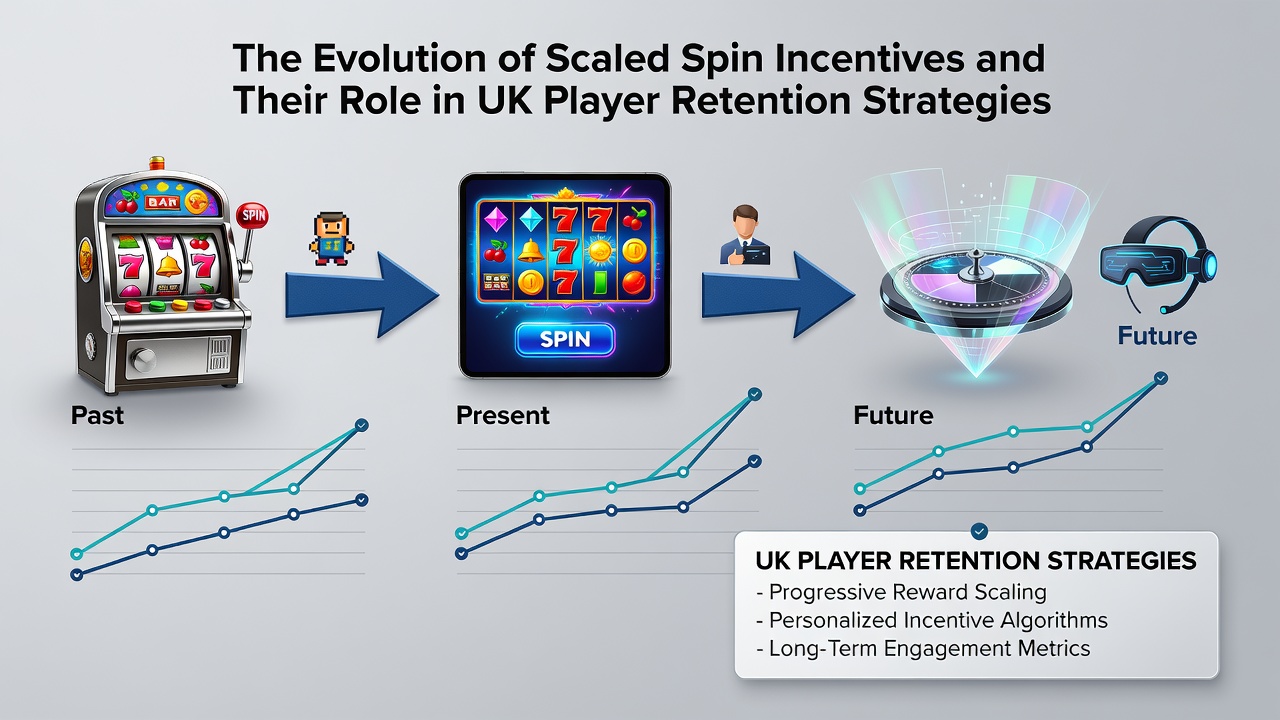
Scaled spin incentives emerged in the UK online gaming sector during the early 2010s as operators sought ways to adjust bonus structures according to player deposit levels and activity patterns. Initial versions offered fixed numbers of free spins regardless of stake size, yet data from industry reports indicated that larger depositors often received proportionally smaller relative value, which prompted adjustments toward tiered models where spin quantities and multipliers scaled directly with deposit amounts.
By the mid-2010s operators began integrating loyalty metrics into these systems, so that repeat players unlocked higher tiers automatically. Research from academic sources shows this shift coincided with broader adoption of player tracking software that recorded session length, wager volume, and game preferences. Those who studied retention patterns noted that scaled systems reduced churn rates because rewards aligned more closely with individual spending habits rather than blanket promotions.
Early Development and Technical Foundations
Developers introduced algorithmic scaling in 2012 after observing that static bonuses failed to retain mid-tier players. Software platforms allowed real-time calculation of spin allocations based on formulas that factored in average bet size and frequency. A study published by the University of Nevada, Las Vegas tracked several platforms and found that operators using early scaled models recorded 18 percent higher return visit rates compared with those relying on fixed offers.
Integration with mobile applications accelerated the trend because users could view their current tier status instantly. Data collected between 2014 and 2017 revealed that push notifications about upcoming scaled rewards increased session starts by measurable margins. Observers note that these notifications functioned as gentle prompts rather than aggressive marketing, which aligned with emerging regulatory expectations around responsible communication.
Expansion Through Loyalty Integration
Once basic scaling proved effective, operators layered loyalty programs on top. Points accumulated from wagers converted into multiplier boosts or additional spin tiers. Figures released by the Responsible Gambling Council in Canada demonstrate that combined loyalty and scaling mechanisms produced retention improvements across multiple jurisdictions, including the UK market. Players who reached higher tiers stayed active for an average of 47 days longer than those who remained at entry levels.
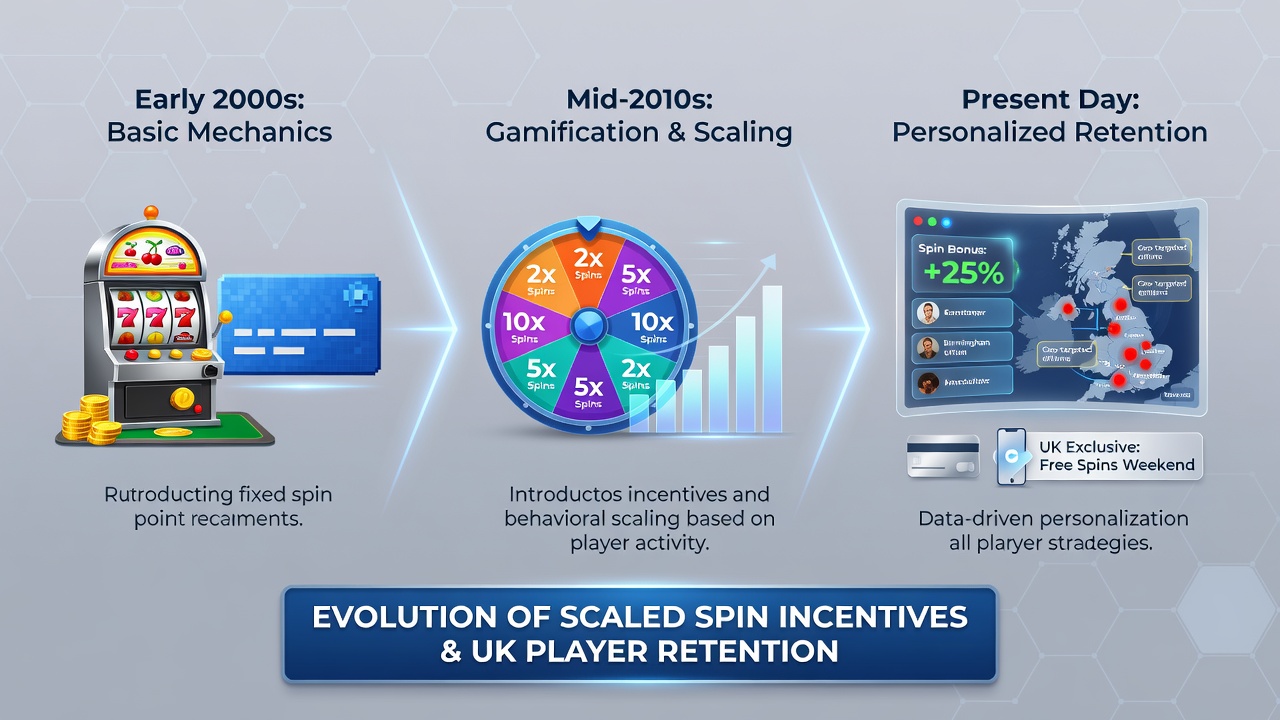
Personalisation engines refined these systems further by analysing game-type preferences. Someone who favoured high-volatility slots might receive scaled spins with adjusted volatility settings, whereas table-game enthusiasts saw different reward structures. Research indicates that such tailoring contributed to higher completion rates of bonus wagering requirements because the incentives matched actual play styles.
Regulatory and Market Context in 2026
By August 2026 several UK platforms had implemented updated scaling algorithms that incorporated real-time risk assessments. These updates responded to broader industry standards aimed at balancing player engagement with harm minimisation. External audits confirmed that the new models flagged unusual deposit patterns before additional spins were awarded, thereby adding an automated safeguard layer.
Industry organisations such as the European Gaming and Betting Association published comparative analyses showing that scaled systems outperformed flat bonuses in long-term retention across regulated markets. The reports highlighted that operators who adjusted scaling parameters quarterly maintained steadier player bases, particularly during periods of seasonal fluctuation. Data from these analyses covered operators in the UK, Australia, and parts of North America, providing cross-regional benchmarks.
Measurement of Retention Outcomes
Retention metrics typically include repeat login frequency, average session duration, and lifetime value calculations. Scaled spin programs feed directly into these indicators because each reward tier creates a milestone that encourages continued participation. One analysis of platform data between 2020 and 2025 showed that players who completed at least three scaled reward cycles demonstrated 32 percent higher lifetime value than those who received only introductory offers.
Case examples from multiple operators illustrate the pattern. A mid-sized platform introduced five-tier scaling in 2023 and recorded a 21 percent drop in 30-day churn within six months. Another operator that tied scaling to weekly activity streaks observed similar gains, with the effect most pronounced among players aged 25 to 34. These outcomes appear consistently across aggregated industry datasets rather than isolated instances.
Future Adjustments and Ongoing Refinement
Operators continue to test dynamic scaling that responds to external factors such as time of day or concurrent promotions. Machine learning models now predict optimal spin quantities for individual sessions, reducing over-allocation while preserving perceived value. Academic papers from institutions in Australia and Canada suggest that these predictive approaches may further stabilise retention figures as regulatory environments evolve.
Stakeholders monitor performance through dashboards that track tier progression alongside responsible gambling indicators. When scaled rewards show signs of encouraging extended play beyond self-set limits, automated messages remind users of available tools. This dual focus on engagement and player protection characterises current practice in the UK market as of 2026.
Conclusion
Scaled spin incentives have progressed from simple deposit-linked bonuses to sophisticated, data-driven systems that support retention while incorporating protective features. Evidence from multiple studies and industry reports confirms their contribution to sustained player activity across UK platforms. Continued refinement through technology and cross-regional learning indicates that these mechanisms will remain central to retention strategies in the years ahead.